Introduction: The Rise of TechBio
The life sciences sector is evolving rapidly. While biotech has long driven medical innovation, a new category of companies, techbio companies, is redefining the pace and scale of discovery. These AI techbio innovators leverage computational technology alongside biology, accelerating insights in complex areas such as oncology.
Cure51 proudly identifies as a techbio company, combining biological research with AI-powered analytics and real-world oncology data. By doing so, we can uncover insights traditional biotech methods alone would take years to achieve.
What is Biotech?
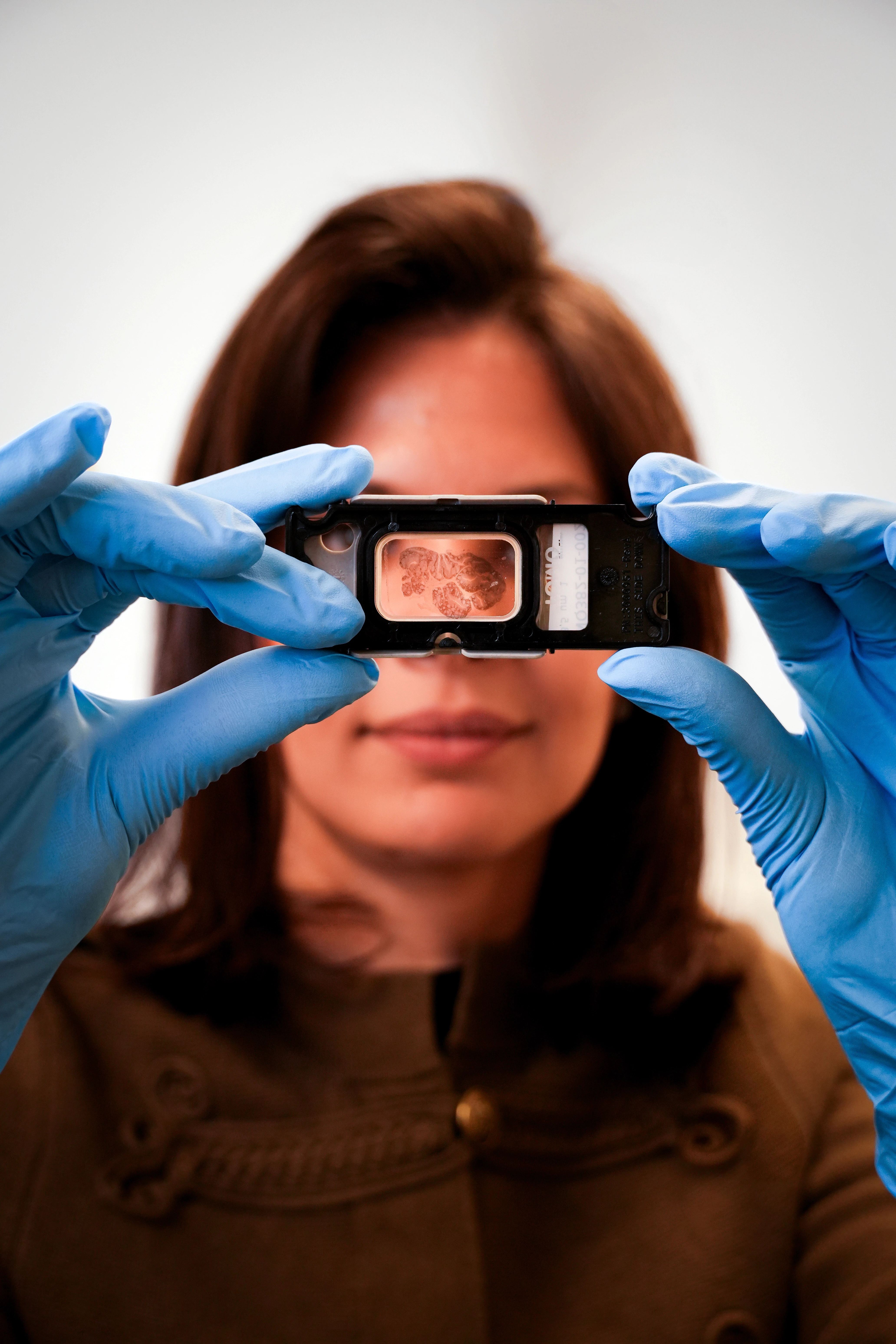
Biotech, short for biotechnology, refers to companies that use living cells, organisms or molecular systems to develop medical therapies. Many biotech companies focus on laboratory research, drug development, vaccines and gene therapy.
Key characteristics of biotech companies include:
Heavy reliance on laboratory experiments and biological analysis
Molecular and cellular focus, including DNA, RNA and proteins
Long development timelines from discovery to clinical trials
Capital-intensive research and regulatory pathways
While traditional biotech laid the foundation for modern medicine, it often lacks the computational power and data-driven approach that techbio companies now offer.
What is TechBio?
Techbio integrates biology with technology at its core. Unlike biotech companies, techbio companies use AI techbio tools, machine learning and large-scale data analysis to accelerate discovery and testing.
Key traits of techbio companies:
Data-driven biological discovery
High-throughput simulations and AI-assisted modeling
Faster hypothesis testing and iteration than traditional biotech
Cross-disciplinary teams of biologists, software engineers and AI specialists
Many AI techbio and oncology data companies focus on predictive modeling, biomarker discovery and precision medicine. These techbio companies are redefining how we approach disease research, particularly in complex fields like oncology.
Key Differences Between Biotech and TechBio
Biotech | TechBio | |
|---|---|---|
Core driver | Biology | Technology + Biology |
Research method | Wet lab experiments | Data-driven, AI-assisted |
Speed | Slower, sequential | Rapid, parallel using AI |
Scalability | Limited to lab throughput | Highly scalable via computational platforms |
Expertise | Biologists, chemists | Biologists, AI scientists, engineers |
Data usage | Experimental data | Multi-source datasets, simulations |
Focus | Drugs, vaccines | Predictive models, early detection, personalized therapies |
These distinctions explain why techbio companies represent a transformative evolution beyond traditional biotech. By integrating AI techbio tools and real-world data, techbio companies deliver faster, smarter and more precise solutions.
TechBio in Oncology
Cancer research is one of the most promising applications for techbio companies. Oncology’s inherent complexity demands new solutions beyond conventional biotech approaches in relation to tumor heterogeneity, patient variability and costly clinical trials.
AI techbio and oncology data companies offer key advantages:
Precision Target Discovery: AI analyzes genomic, proteomic and clinical data to identify novel therapeutic targets
Patient Stratification: Predictive models enable better matching of therapies to patients
Drug Repurposing: Machine learning discovers new applications for existing compounds
Real-World Data Insights: Integration of diverse oncology datasets accelerates clinical decision-making
As oncology research becomes increasingly data-intensive, techbio companies are uniquely positioned to lead the next wave of innovation.
Why Cure51 is a TechBio Company
Cure51 exemplifies a modern techbio company. By combining AI techbio capabilities, computational modeling and biological expertise, we accelerate discovery and improve outcomes in oncology.
AI-Powered Oncology Research
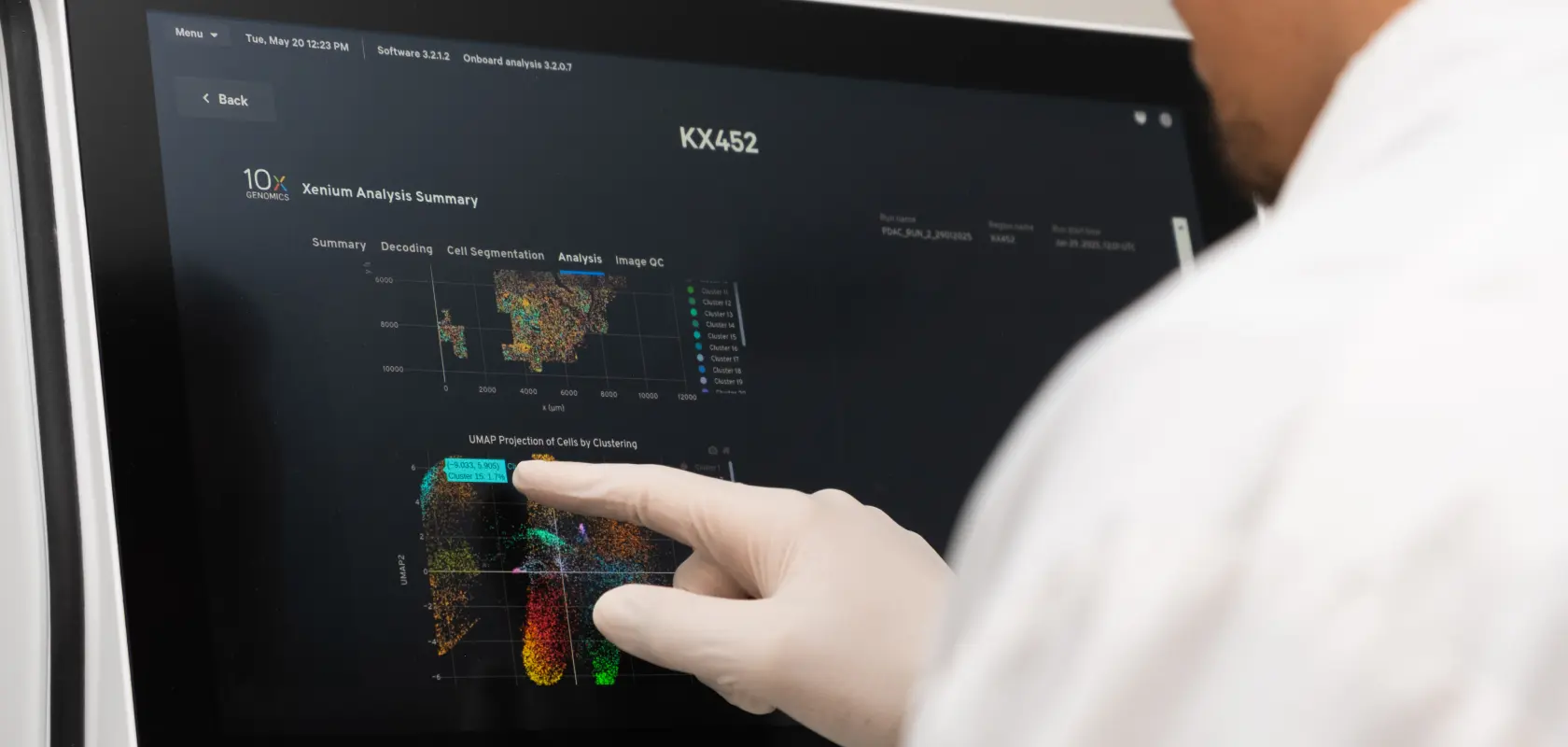
Cure51 uses AI techbio tools to analyze complex datasets, uncover patterns and identify drug targets that traditional biotech companies might miss. Our models allow rapid hypothesis testing and early detection of Cancer biomarkers.
Data-Driven Clinical Insights
As one of the leading oncology data companies, Cure51 integrates real-world patient data with laboratory research. This approach drives biomarker discovery, patient stratification and improved therapeutic efficacy.
Cross-Disciplinary Innovation
Our techbio company model brings together biologists, AI scientists and software engineers to accelerate insights. This cross-disciplinary collaboration enables faster translation from data to clinical application.
Accelerating Development Timelines
Unlike traditional biotech pipelines, Cure51’s AI-driven methods allow parallel testing and faster iteration. By leveraging AI techbio capabilities, we reduce time from discovery to clinical insight.
Patient-Centric Focus
While technology drives our innovation, the ultimate goal is patient impact. Cure51’s approach ensures that oncology data companies solutions improve early detection, treatment precision and patient outcomes.
The Future of TechBio
The next decade for techbio companies promises even greater integration of AI and biology:
Multi-Omics Integration: Combining genomic, proteomic and metabolomic data for comprehensive insights
AI-Designed Therapeutics: Computational design of new molecules and therapies
Predictive and Preventive Medicine: Using AI techbio tools for early detection and intervention
Global Collaboration: Cloud-based platforms enabling worldwide real-time analysis
As a techbio company, Cure51’s goal is to reshape oncology research and patient care through data, AI and cross-disciplinary innovation.
Cure51: A TechBio Company
While biotech companies built the foundation of modern medicine, techbio companies represent the future. Integrating AI techbio methods with biological expertise, these companies deliver faster, smarter and more scalable solutions.
As a techbio company transforming oncology research, Cure51 leverages AI, data and technology-driven biology to accelerate discovery, improve patient outcomes and redefine the possibilities of modern medicine.
Updated: April 14, 2026