GLOBAL CANCER RESEARCH INITIATIVE
The rosalind study
Decoding Exceptional Cancer Survivors’ Biology to Reshape Cancer Care.

GLOBAL CANCER RESEARCH INITIATIVE
The rosalind study
Decoding Exceptional Cancer Survivors’ Biology to Reshape Cancer Care.
GLOBAL CANCER RESEARCH INITIATIVE
The rosalind study
Decoding Exceptional Cancer Survivors’ Biology to Reshape Cancer Care.
THE ROSALIND STUDY IN ACTION
Identifying a global biological signature associated with patients with unexpected survival, in order to develop new therapeutic strategies.

1
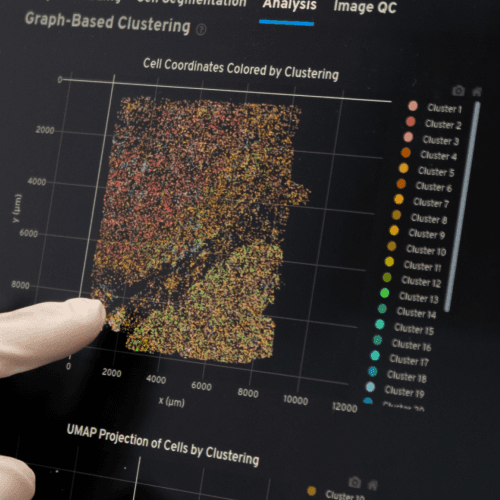
In each cohort, we identify global biological signatures that differentiate exceptional Cancer survivors (cases) from patients with standard survival outcomes (controls).
2
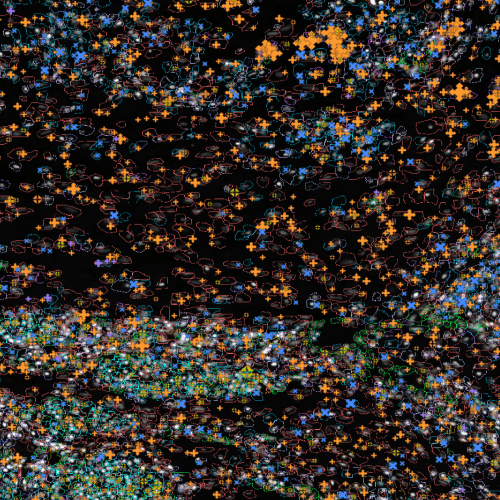
We analyze multi-omics data (genomics, transcriptomics, proteomics) to uncover the biological mechanisms of long-term Cancer survival.
3
We generate actionable therapeutic hypotheses to accelerate the development of new Cancer treatments and precision oncology approaches that can benefit all Cancer patients.
THE ROSALIND STUDY IN ACTION
Identifying a global biological signature associated with patients with unexpected survival, in order to develop new therapeutic strategies.
1
In each cohort, we identify global biological signatures that differentiate exceptional Cancer survivors (cases) from patients with standard survival outcomes (controls).
2
We analyze multi-omics data (genomics, transcriptomics, proteomics) to uncover the biological mechanisms of long-term Cancer survival.
3
We generate actionable therapeutic hypotheses to accelerate the development of new Cancer treatments and precision oncology approaches that can benefit all Cancer patients.
THE ROSALIND STUDY IN ACTION
Identifying a global biological signature associated with patients with unexpected survival, in order to develop new therapeutic strategies.
1
In each cohort, we identify global biological signatures that differentiate exceptional Cancer survivors (cases) from patients with standard survival outcomes (controls).
2
We analyze multi-omics data (genomics, transcriptomics, proteomics) to uncover the biological mechanisms of long-term Cancer survival.
3
We generate actionable therapeutic hypotheses to accelerate the development of new Cancer treatments and precision oncology approaches that can benefit all Cancer patients.
THE ROSALIND STUDY IN ACTION
Identifying a global biological signature associated with patients with unexpected survival, in order to develop new therapeutic strategies.
1
In each cohort, we identify global biological signatures that differentiate exceptional Cancer survivors (cases) from patients with standard survival outcomes (controls).
2
We analyze multi-omics data (genomics, transcriptomics, proteomics) to uncover the biological mechanisms of long-term Cancer survival.
3
We generate actionable therapeutic hypotheses to accelerate the development of new Cancer treatments and precision oncology approaches that can benefit all Cancer patients.
A Global Oncology Research Collaboration
The Rosalind Study unites a network of 50+ leading oncology centers in 40+ countries across five continents, establishing one of the largest collaborative efforts to understand and harness the biology of Cancer survival outliers.
OUR VISION
By uncovering how some patients overcome the most aggressive Cancers, we aim to drive the development of next-generation Cancer therapies, advance precision oncology and bring new hope to millions of Cancer patients worldwide.
The Rosalind Study represents the largest collaborative scientific effort to understand exceptional Cancer survival.
A Global Oncology Research Collaboration
The Rosalind Study unites a network of 50+ leading oncology centers in 40+ countries across five continents, establishing one of the largest collaborative efforts to understand and harness the biology of Cancer survival outliers.
OUR VISION
By uncovering how some patients overcome the most aggressive Cancers, we aim to drive the development of next-generation Cancer therapies, advance precision oncology and bring new hope to millions of Cancer patients worldwide.
The Rosalind Study represents the largest collaborative scientific effort to understand exceptional Cancer survival.
A Global Oncology Research Collaboration
The Rosalind Study unites a network of 50+ leading oncology centers in 40+ countries across five continents, establishing one of the largest collaborative efforts to understand and harness the biology of Cancer survival outliers.
OUR VISION
By uncovering how some patients overcome the most aggressive Cancers, we aim to drive the development of next-generation Cancer therapies, advance precision oncology and bring new hope to millions of Cancer patients worldwide.
The Rosalind Study represents the largest collaborative scientific effort to understand exceptional Cancer survival.
A Global Oncology Research Collaboration
The Rosalind Study unites a network of 50+ leading oncology centers in 40+ countries across five continents, establishing one of the largest collaborative efforts to understand and harness the biology of Cancer survival outliers.
OUR VISION
By uncovering how some patients overcome the most aggressive Cancers, we aim to drive the development of next-generation Cancer therapies, advance precision oncology and bring new hope to millions of Cancer patients worldwide.
The Rosalind Study represents the largest collaborative scientific effort to understand exceptional Cancer survival.
MultiOmics RESEARCH Strategy
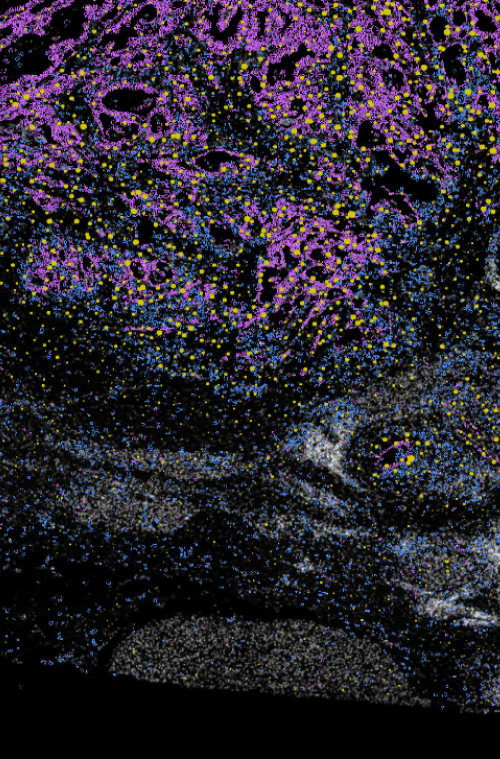
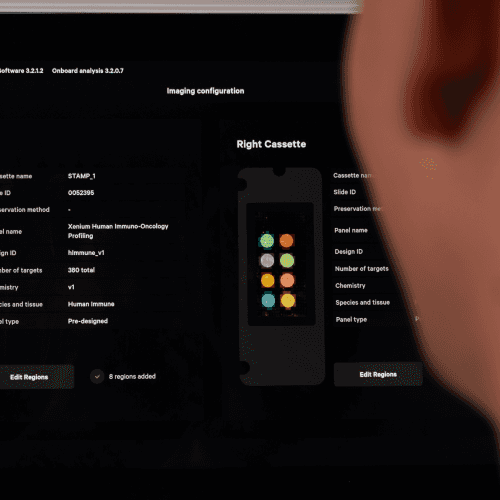
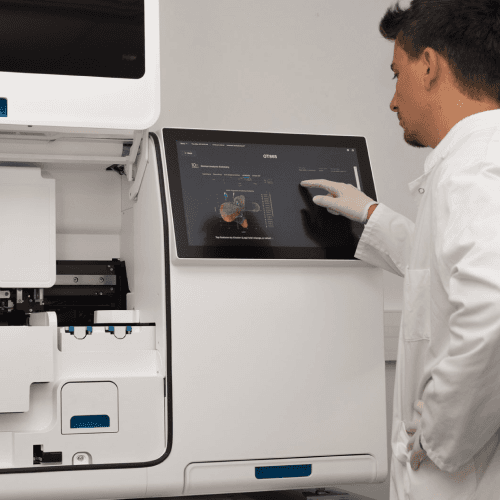
All biological samples are processed in the Cure51 Central Lab for comprehensive profiling using state-of-the-art technologies.
These technologies allow researchers to integrate genomic, transcriptomic, microbial and proteomic data to reveal key survival biomarkers and underlying biology.
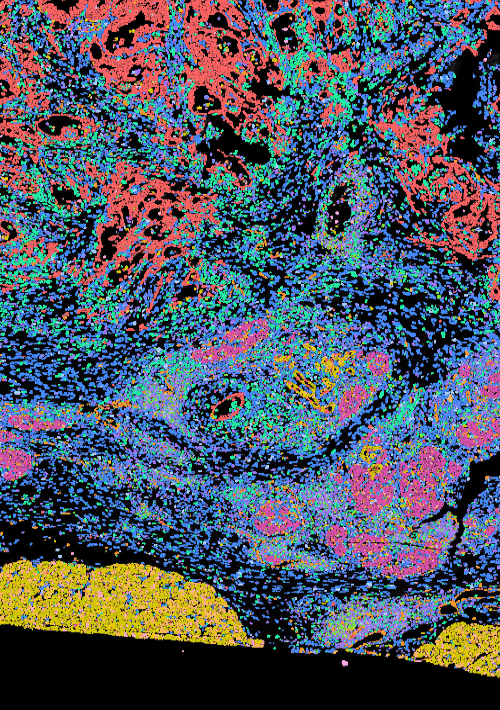
Spatial transcriptomics
(10X Genomics Xenium/Visium)
Single-cell transcriptomics
(10X Genomics Flex)
Whole Exome Sequencing
Microbiomics (16s RNA)
Proteomics
(FFPE mass-spectrometry)

MultiOmics RESEARCH Strategy
All biological samples are processed in the Cure51 Central Lab for comprehensive profiling using state-of-the-art technologies.
These technologies allow researchers to integrate genomic, transcriptomic, microbial and proteomic data to reveal key survival biomarkers and underlying biology.
Spatial transcriptomics
(10X Genomics Xenium/Visium)
Single-cell transcriptomics
(10X Genomics Flex)
Whole Exome Sequencing
Microbiomics (16s RNA)
Proteomics
(FFPE mass-spectrometry)
MultiOmics RESEARCH Strategy
All biological samples are processed in the Cure51 Central Lab for comprehensive profiling using state-of-the-art technologies.
These technologies allow researchers to integrate genomic, transcriptomic, microbial and proteomic data to reveal key survival biomarkers and underlying biology.
Spatial transcriptomics
(10X Genomics Xenium/Visium)
Single-cell transcriptomics
(10X Genomics Flex)
Whole Exome Sequencing
Microbiomics (16s RNA)
Proteomics
(FFPE mass-spectrometry)
MultiOmics RESEARCH Strategy
All biological samples are processed in the Cure51 Central Lab for comprehensive profiling using state-of-the-art technologies.
These technologies allow researchers to integrate genomic, transcriptomic, microbial and proteomic data to reveal key survival biomarkers and underlying biology.
Spatial transcriptomics
(10X Genomics Xenium/Visium)
Single-cell transcriptomics
(10X Genomics Flex)
Whole Exome Sequencing
Microbiomics (16s RNA)
Proteomics
(FFPE mass-spectrometry)
Research Methodology and Scientific Design
The Rosalind Study is a retrospective, multi-center, case–control study comparing patients with long-term survival to matched controls (1:1) with standard survival outcomes (less than 10% 5-year overall survival rate). It includes three major Cancer cohorts with historically low survival rates.
LONG-TERM CANCER SURVIVORS
OF →
LONG-TERM CANCER SURVIVORS
OF →
Metastatic pancreatic ductal adenocarcinoma
Cohort PDAC
Glioblastoma IDHwt (WHO 2021 classification)
Cohort GBM
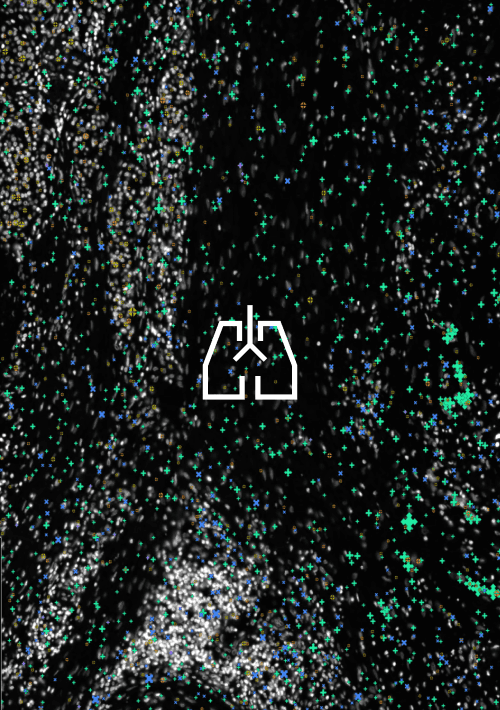
Extensive small cell lung Cancer
Cohort SCLC
TURNING Survival Biology
into Actionable Targets
The Rosalind Study is the first international Cancer research study to build a large-scale clinical and multi-omics database of exceptional Cancer survivors (Outliers). We are assembling a cohort of 500+ survivors, supported by deep molecular characterization, including single-cell and spatial omics technologies.
This unique approach allows us to identify a broader and more precise range of biological signatures and therapeutic targets than any academic initiative could achieve alone. We focus on downregulated proteins and dysregulated pathways that are specific to Outliers, particularly those that are overexpressed in control patients, making them high-value targets for Cancer drug development.
The actionability of Outlier biology lies in the expanding capabilities of modern biochemistry and therapeutic R&D, where nearly any molecular target can be addressed, in order to identify the right therapeutic targets: those with clear functional impact, strong clinical relevance and minimal toxicity, accelerating the path toward safe and effective Cancer treatments.
Rosalind is an independent, proprietary Cure51 clinical study and is not affiliated with any external AI models or products.
TURNING Survival Biology
into Actionable Targets
The Rosalind Study is the first international Cancer research study to build a large-scale clinical and multi-omics database of exceptional Cancer survivors (Outliers). We are assembling a cohort of 500+ survivors, supported by deep molecular characterization, including single-cell and spatial omics technologies.
This unique approach allows us to identify a broader and more precise range of biological signatures and therapeutic targets than any academic initiative could achieve alone. We focus on downregulated proteins and dysregulated pathways that are specific to Outliers, particularly those that are overexpressed in control patients, making them high-value targets for Cancer drug development.
The actionability of Outlier biology lies in the expanding capabilities of modern biochemistry and therapeutic R&D, where nearly any molecular target can be addressed, in order to identify the right therapeutic targets: those with clear functional impact, strong clinical relevance and minimal toxicity, accelerating the path toward safe and effective Cancer treatments.
Rosalind is an independent, proprietary Cure51 clinical study and is not affiliated with any external AI models or products.
TURNING Survival Biology
into Actionable Targets
The Rosalind Study is the first international Cancer research study to build a large-scale clinical and multi-omics database of exceptional Cancer survivors (Outliers). We are assembling a cohort of 500+ survivors, supported by deep molecular characterization, including single-cell and spatial omics technologies.
This unique approach allows us to identify a broader and more precise range of biological signatures and therapeutic targets than any academic initiative could achieve alone. We focus on downregulated proteins and dysregulated pathways that are specific to Outliers, particularly those that are overexpressed in control patients, making them high-value targets for Cancer drug development.
The actionability of Outlier biology lies in the expanding capabilities of modern biochemistry and therapeutic R&D, where nearly any molecular target can be addressed, in order to identify the right therapeutic targets: those with clear functional impact, strong clinical relevance and minimal toxicity, accelerating the path toward safe and effective Cancer treatments.
Rosalind is an independent, proprietary Cure51 clinical study and is not affiliated with any external AI models or products.
TURNING Survival Biology
into Actionable Targets
The Rosalind Study is the first international Cancer research study to build a large-scale clinical and multi-omics database of exceptional Cancer survivors (Outliers). We are assembling a cohort of 500+ survivors, supported by deep molecular characterization, including single-cell and spatial omics technologies.
This unique approach allows us to identify a broader and more precise range of biological signatures and therapeutic targets than any academic initiative could achieve alone. We focus on downregulated proteins and dysregulated pathways that are specific to Outliers, particularly those that are overexpressed in control patients, making them high-value targets for Cancer drug development.
The actionability of Outlier biology lies in the expanding capabilities of modern biochemistry and therapeutic R&D, where nearly any molecular target can be addressed, in order to identify the right therapeutic targets: those with clear functional impact, strong clinical relevance and minimal toxicity, accelerating the path toward safe and effective Cancer treatments.
Rosalind is an independent, proprietary Cure51 clinical study and is not affiliated with any external AI models or products.


