What if the key to transforming Cancer treatment lies in understanding Cancer outliers?
Our Rosalind Study is the first international research program focused entirely on Сancer outliers, patients who live significantly longer than expected with some of the most aggressive Cancers.
Three Strategic Cohorts, One Mission
The Rosalind Study focuses on three high-priority oncology cohorts with historically poor survival outcomes: Glioblastoma (GBM), Extensive-Stage Small Cell Lung Cancer (ES-SCLC) and Metastatic Pancreatic Ductal Adenocarcinoma (mPDAC). By analyzing patients who defy the odds, our research seeks to uncover the biological mechanisms behind exceptional survival.
1. Glioblastoma (GBM)
Median survival: 12–15 months
5-year survival rate: <5%
Study focus: Investigating GBM patients who have survived 5+ years post-diagnosis, exploring unique molecular and immune system features that could explain their resistance to tumor progression. Understanding these Cancer outliers may unlock new therapeutic strategies for this aggressive brain Cancer.
2. Extensive-Stage Small Cell Lung Cancer (ES-SCLC)
Median survival: <12 months
5-year survival rate: <3%
Study focus: Analyzing ES-SCLC patients who have surpassed the 5-year survival mark, examining tumor-immune interactions, DNA repair mechanisms and responses to systemic therapies. These insights could reveal novel targets for extending survival in a Cancer type long considered uniformly lethal.
3. Metastatic Pancreatic Ductal Adenocarcinoma (mPDAC)
Median survival: 9-11 months
5-year survival rate: <5%
Study focus: Decoding the factors that enable exceptional survival in mPDAC patients who have surpassed the 5-year survival mark, including tumor microenvironment dynamics, metabolic reprogramming and genetic variants that slow tumor progression. Our goal is to uncover strategies that could transform mPDAC from a rapidly fatal Cancer into a manageable condition.
A Multi-Omics Approach to Exceptional Survival
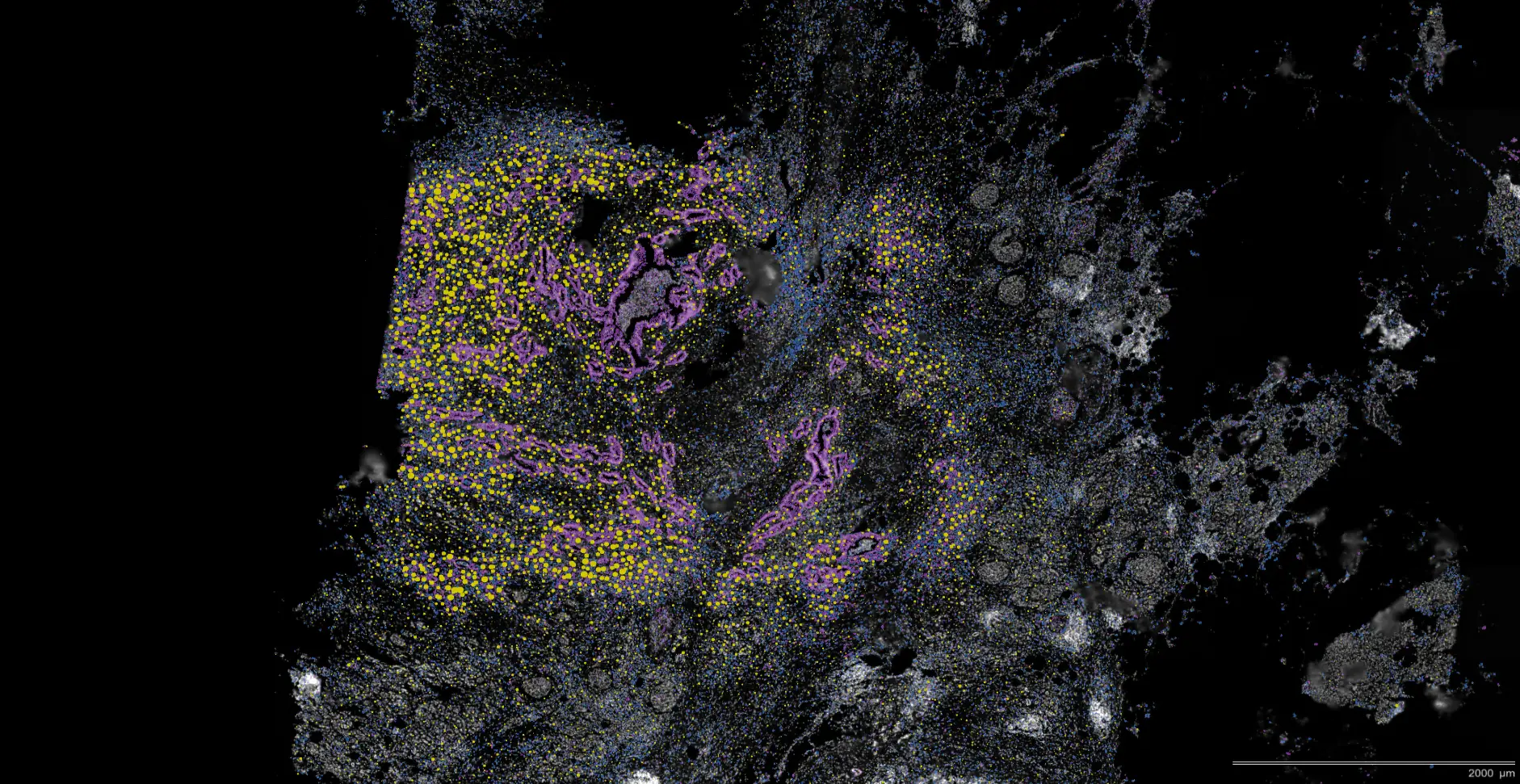
The power of the study lies in its comprehensive approach. By integrating genomic, transcriptomic, proteomic, microbiomic, immunologic and clinical data across these three cohorts, we aim to identify shared biological signatures of resistance and long-term survival. These discoveries could guide the development of therapies designed to reverse-engineer survival, ultimately extending life for millions of Cancer patients worldwide.
Collaborating with Oncology Centers Worldwide
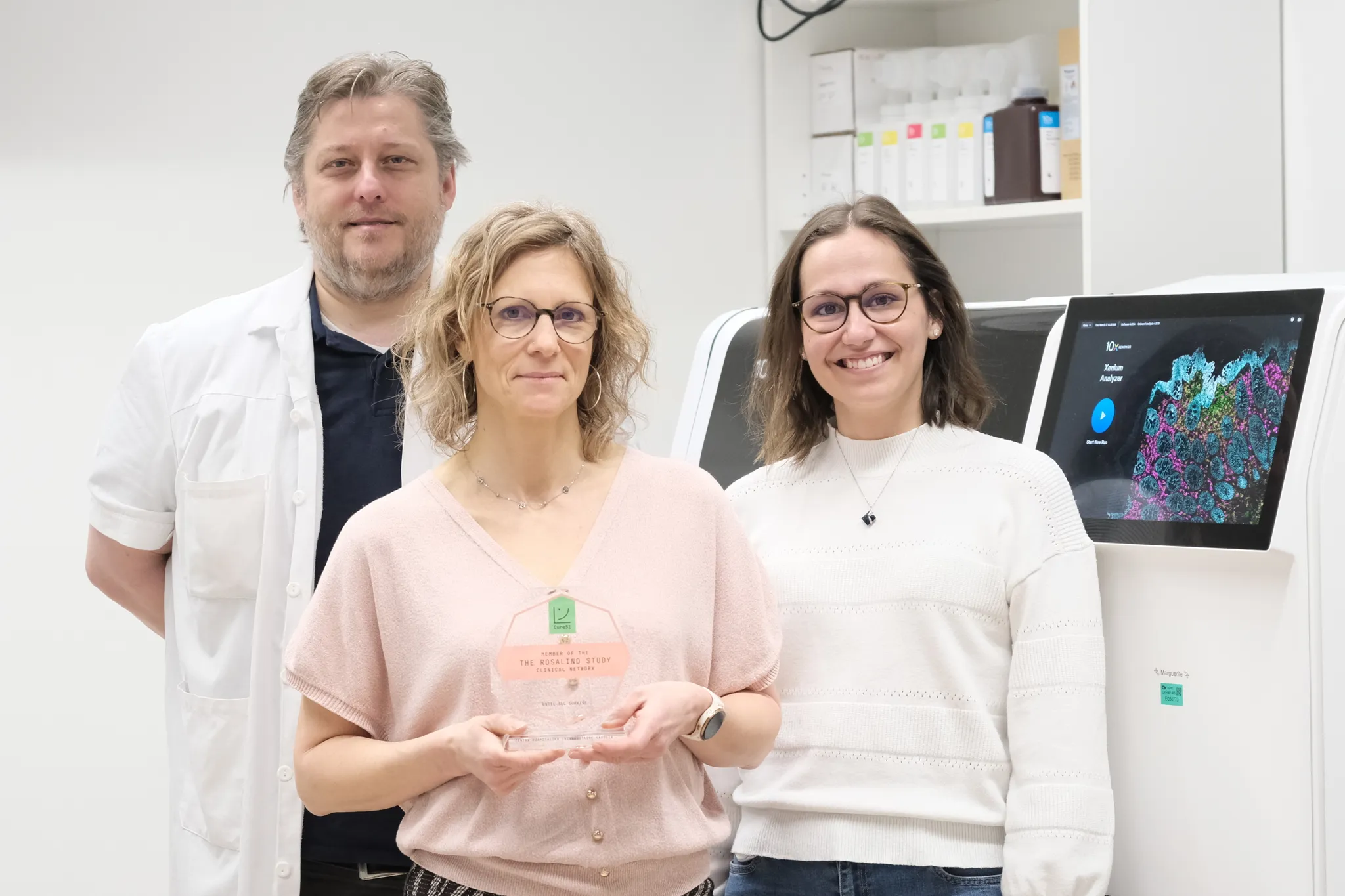
This ambitious research is made possible through an expanding network of international oncology centers committed to collecting high-quality clinical and biological data. Their collaboration ensures that we can rigorously investigate these rare, yet invaluable, Cancer outliers.
Why Cancer Outliers Matter
While Cancer outliers are rare, they may hold the key to making Cancer a manageable disease for everyone. By studying those who defy the odds in GBM, ES-SCLC, and mPDAC, the Rosalind Study seeks to transform our understanding of survival and open new avenues for life-extending treatments.

Updated: April 1, 2026