Patient diversity in clinical trials is essential for developing cancer treatments that can benefit population worldwide. When research includes participants from different countries, healthcare systems and genetic backgrounds, scientists are more likely to uncover biological discoveries that apply across populations rather than to a single region.
Many cancer studies are conducted within a single country or limited geographic area, healthcare system or patient population. While these studies generate valuable insights, they may overlook biological patterns that only emerge when data is collected at a global scale. Without diverse patient populations, promising discoveries may be less representative of the people affected by cancer around the world.
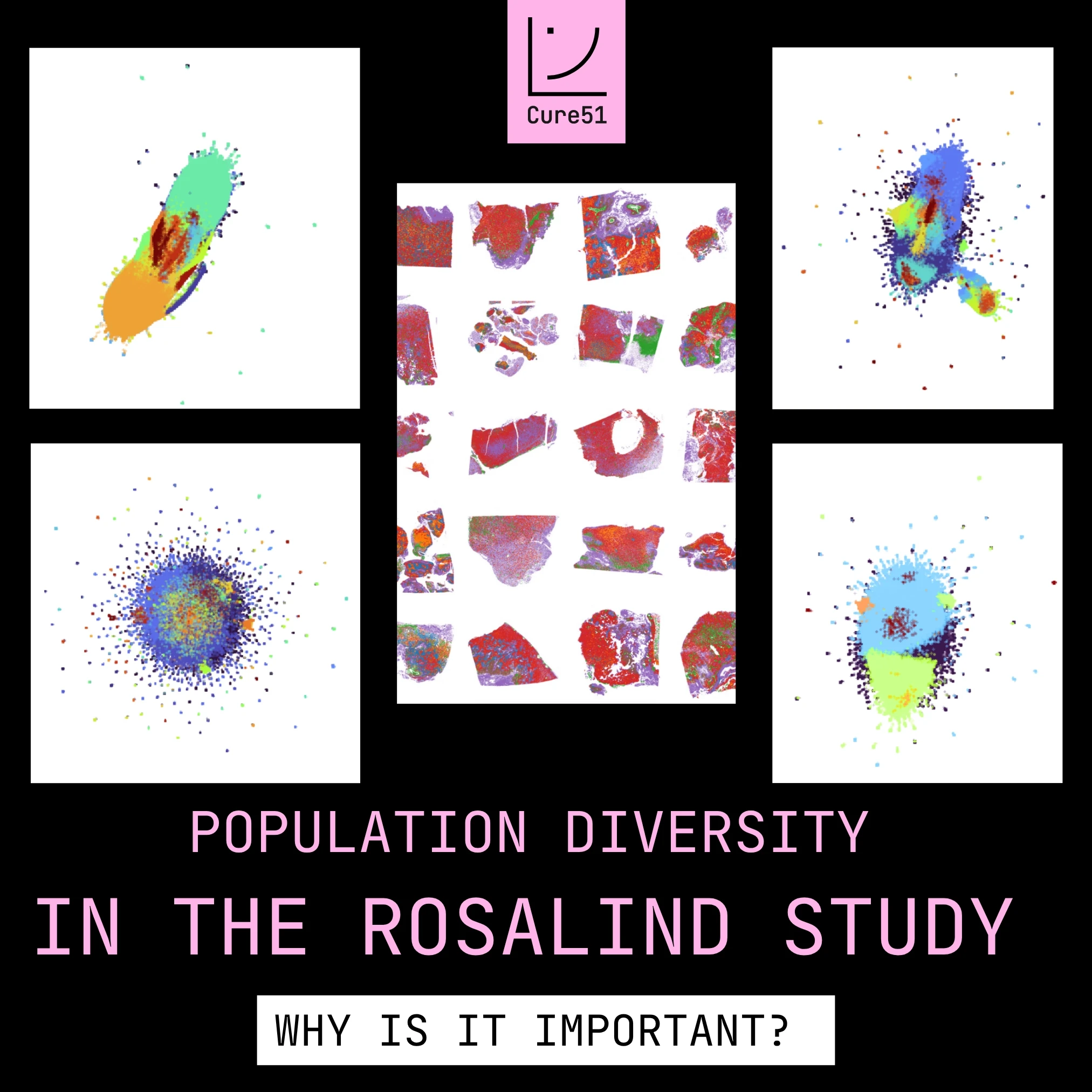
How our Rosalind Study implements population diversity in clinical trials
That is one of the reasons we designed our Rosalind Study as an international research program. Today, the study brings together 148 oncology centers across 37 countries, creating the world's largest global research network dedicated to exceptional cancer survivors.
This approach allows us to:
Capture exceptional survivors treated in diverse environments and different healthcare systems
Study tumors collected across multiple continents and geographic regions
Reduce the risk that discoveries reflect a single institution, country or local clinical practice
Increase biological diversity within the dataset, helping researchers identify new biological mechanisms associated with exceptional survival
Build a dataset that is more representative of the global population affected by these aggressive cancers
A diverse and representative clinical dataset strengthens precision oncology research by making scientific findings more robust, reproducible and broadly applicable across patient populations. It also increases confidence that potential therapeutic targets can benefit patients beyond a single institution or region.
By combining this global network with deep multi-omics profiling, we aim to identify the biological mechanisms behind exceptional cancer survival and accelerate the discovery of new therapeutic targets for patients around the world.
Our approach to patient diversity in clinical trials
While Cure51 refrains from processing ethnicity as a research variable, we actively reduce potential biological bias by conducting the Rosalind Study across the broadest possible range of countries, continents and medical centers. We believe global participation is fundamental to generating discoveries that can ultimately benefit patients everywhere.
Updated: July 29, 2026