How does Cure51 use computational biology to turn complex cancer data into scientific insights? Cancer research generates increasingly complex datasets. Each type of biological data offers a different perspective on a tumor, but the real scientific challenge lies in understanding how these perspectives fit together.
In a new video, Nick Riddiford, PhD, our Head of Computational Biology, explains how the Computational Biology Team combines biological expertise, data science and software engineering to turn complex datasets into insights that can guide cancer target discovery.
What Is Bioinformatics? How Does It Support Cancer Research?
Bioinformatics uses computational tools to process and analyze biological data. Computational biology applies computational methods to investigate biological systems and understand the mechanisms behind them. The two fields overlap, helping researchers move from large volumes of data toward meaningful biological questions.
Nick's team develops computational pipelines and models to analyze multi-omic and clinical data. This work provides a way to investigate biological signatures associated with exceptional cancer survival and explore their potential relevance to therapeutic target discovery.
The Challenge of Connecting Multiple Layers of Biology
Multi-omic research involves analyzing different types of molecular data, each requiring its own processing and analytical methods.
As Nick explains, one of the team’s central challenges is integrating these different data types into a single, coherent model of a given cancer. Individual datasets can reveal distinct biological signals, but understanding how those signals relate to one another requires a broader view.
Turning Complex Data into Research Insights
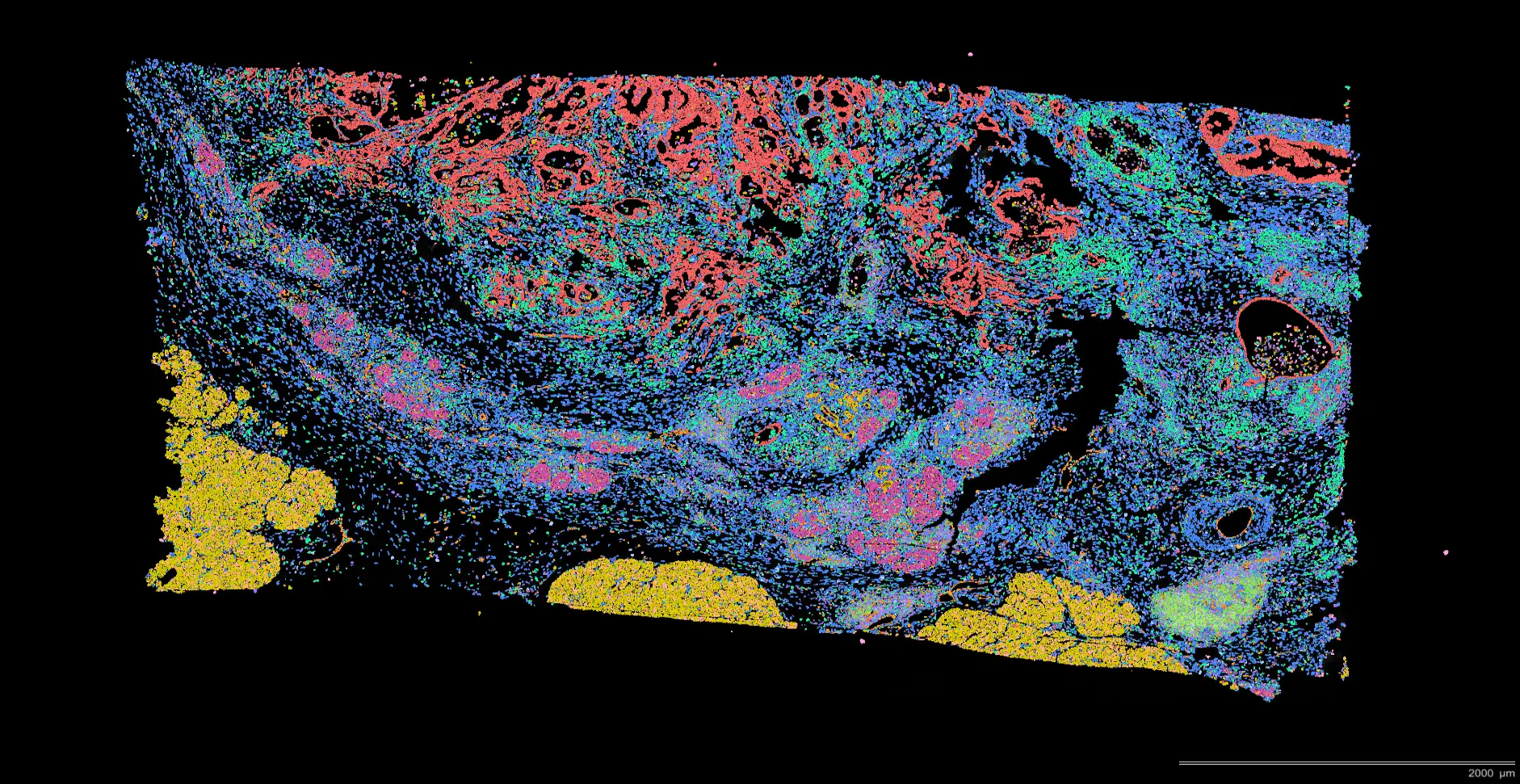
To help address this challenge, Cure51 has developed a proprietary visualization system that brings complex data together and helps researchers explore the signals within it.
Visualization plays an important role in making large, complex datasets easier to examine and compare. It supports the investigation of patterns across different data types and helps the team identify promising therapeutic targets for further research. The aim is to connect computational analysis with biological interpretation, giving researchers a clearer basis for deciding which signals warrant further investigation.
The Team Behind the Science
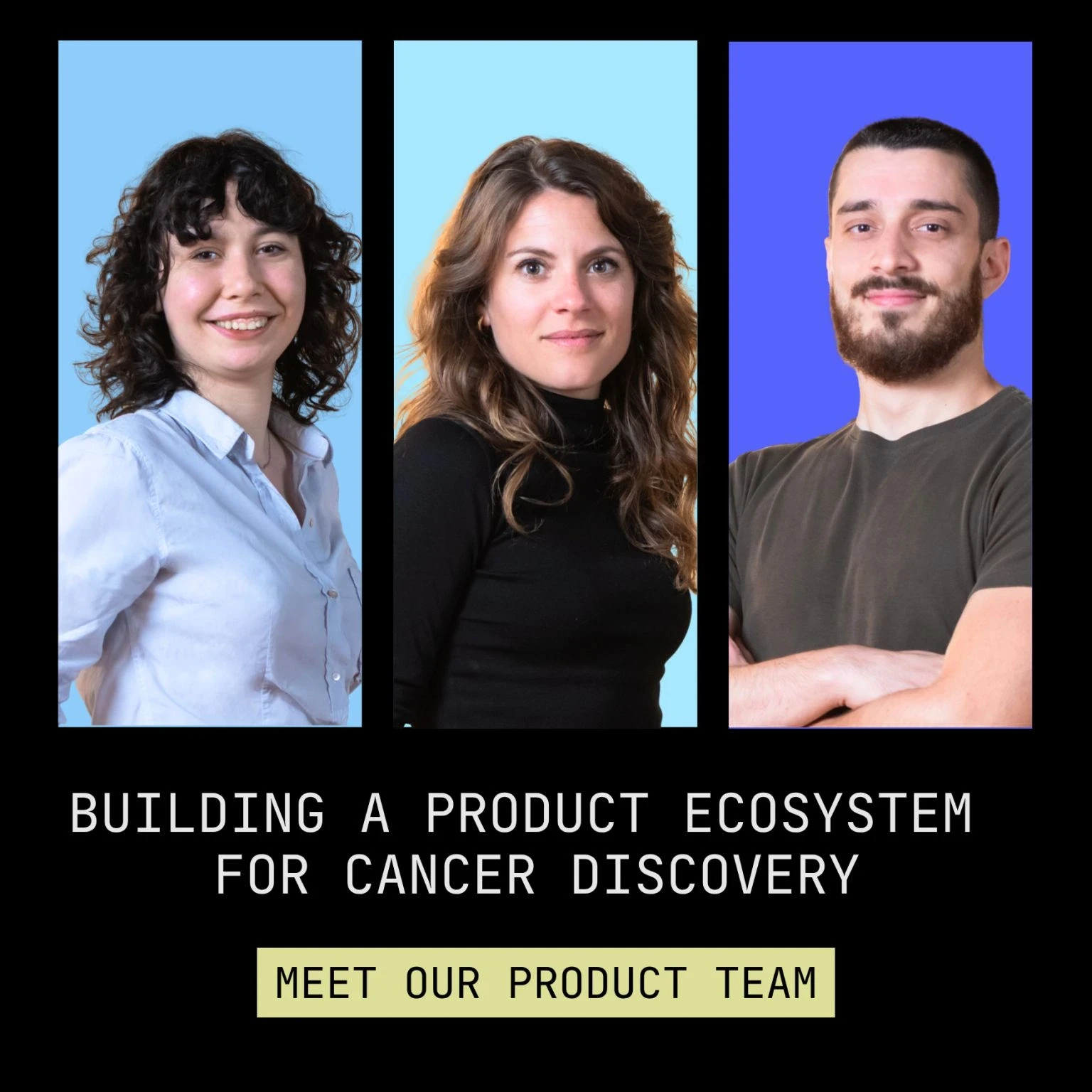
Our Computational Biology Team brings together data scientists, bioinformatics engineers and specialists in artificial intelligence and spatial biology. These complementary skills help address different parts of the same challenge: processing diverse datasets, developing analytical approaches and connecting multiple layers of biological information.
The goal is to bring different signals together into a coherent model that can help researchers identify the most promising therapeutic targets.

Updated: October 26, 2026