How can studying patients who survive glioblastoma help researchers understand the disease and identify new therapeutic opportunities?
Glioblastoma (GBM) remains one of the most challenging cancers in oncology. Despite advances in surgery, radiotherapy and systemic treatment, long-term survival remains uncommon. Yet a small number of patients experience a very different clinical trajectory: exceptional glioblastoma survivors, patients who lives substantially longer than expected for their disease.
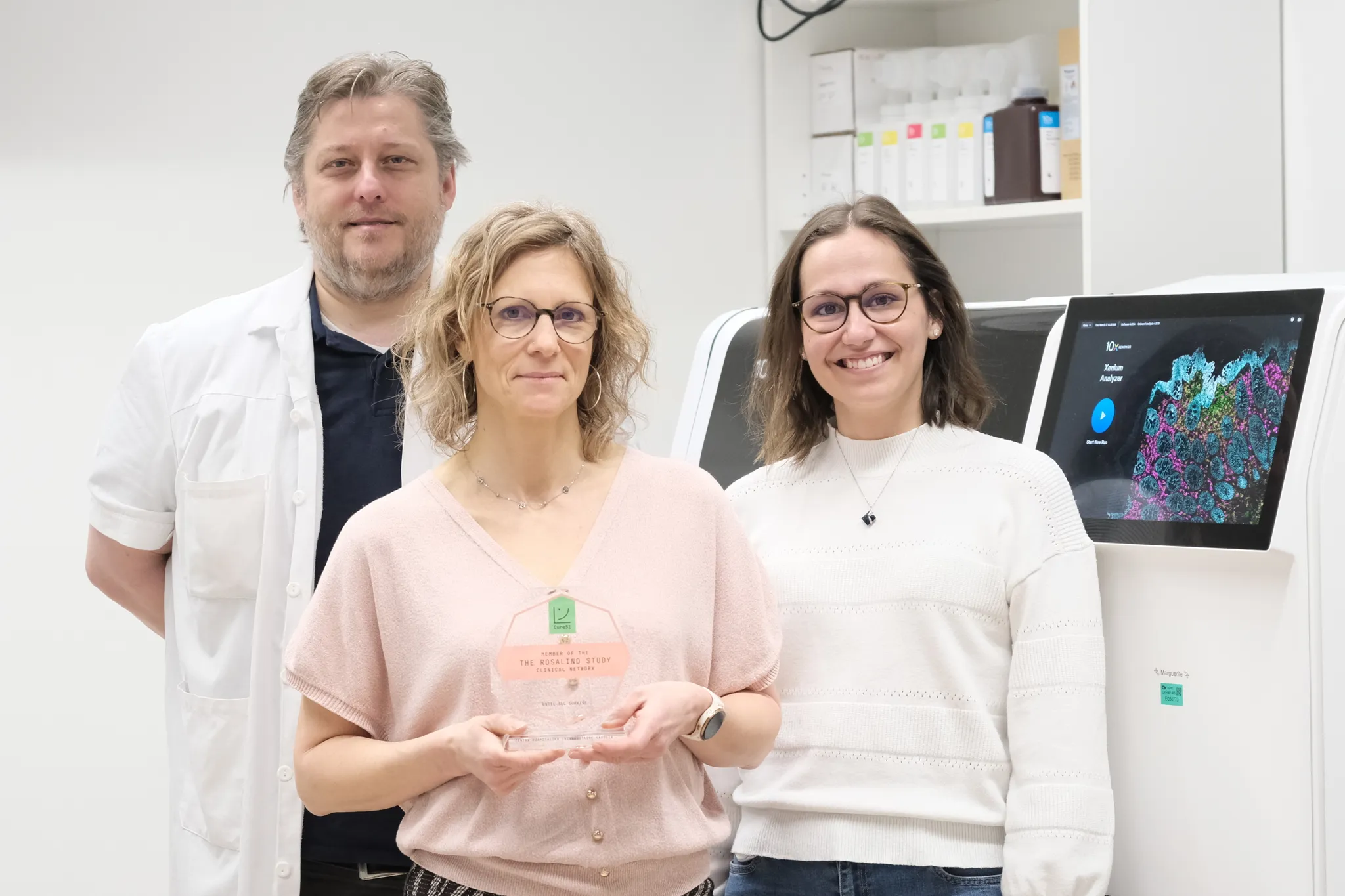
We are studying the biology of these exceptional glioblastoma survivors to understand what distinguishes them from patients whose survival falls within the expected range for their disease. Through the Rosalind Study, this approach combines clinical data with deep molecular profiling to identify biological signatures associated with exceptional survival.
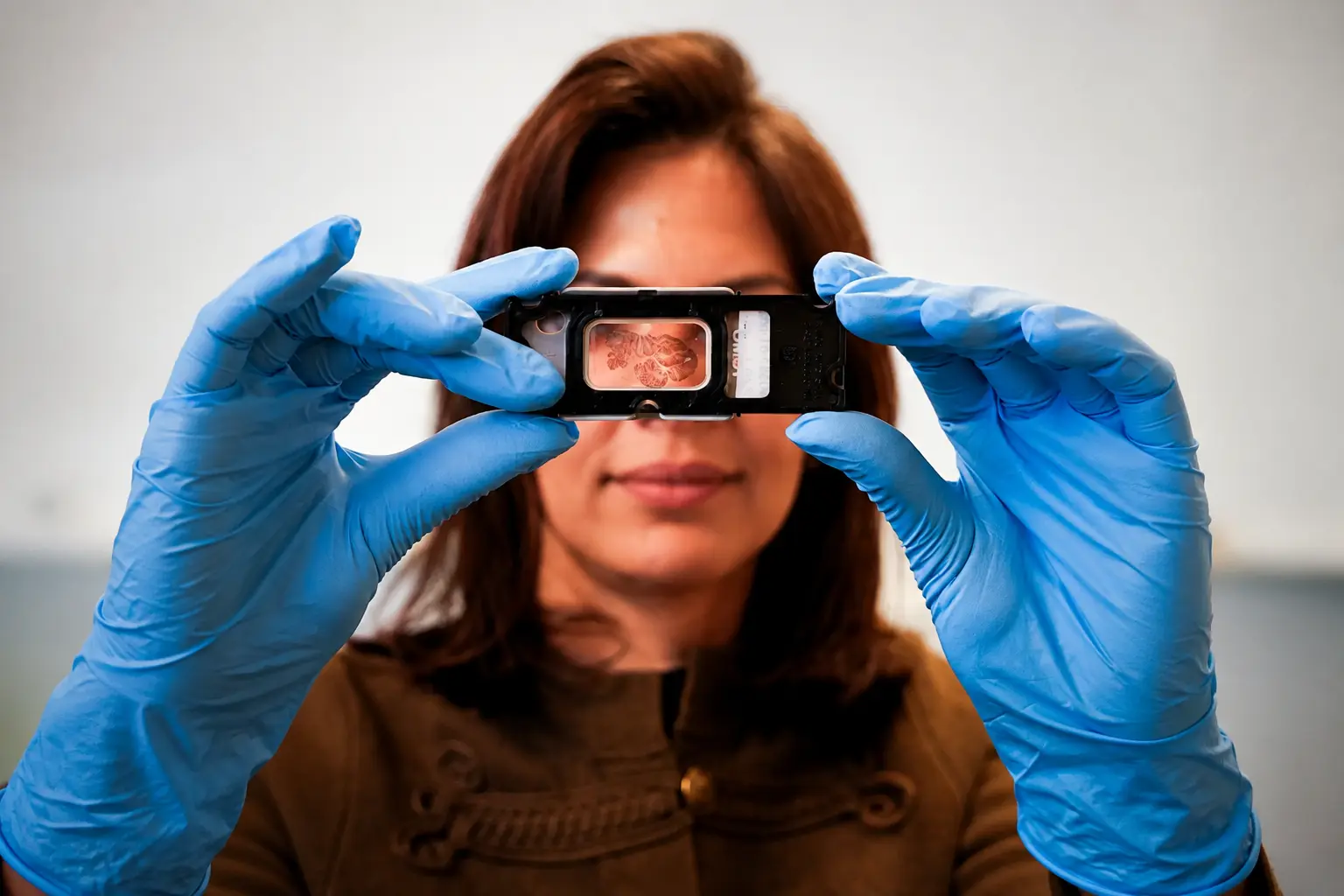
Our new collaboration with Servier brings this approach into a pharmaceutical research setting, with a focus on glioblastoma.
Why study exceptional cancer survivors?
Most cancer research starts with disease progression: what causes a tumor to grow? What enables cancer cells to invade surrounding tissue? Why does treatment fail? Exceptional survivors offer a complementary question: what is different in the biology of patients whose disease follows an unexpectedly favorable trajectory?
The answer may involve several biological layers. It could relate to the tumor itself, the surrounding tumor microenvironment, the immune response, treatment sensitivity or interactions between these factors.
Importantly, exceptional survival is unlikely to be explained by a single biomarker in every patient. Cancer is biologically heterogeneous, and different patients may reach a similar clinical outcome through different biological mechanisms. This is why studying exceptional survivors requires more than looking at one gene or one molecular feature. It requires a multidimensional view of the tumor.
From clinical outcomes to biological mechanisms
Our Rosalind Study is designed as a retrospective, multicenter case-control study. For each one of the three cancer cohorts, Cure51 compares exceptional survivors with patients who experienced standard survival outcomes. The objective is to identify molecular and biological differences between the two groups.
For glioblastoma, the study focuses on IDH-wildtype glioblastoma, as defined within the 2021 WHO classification.
The analysis combines clinical information with multiple molecular layers, including:
Genomics: to identify genetic alterations
Transcriptomics: to understand which genes are active
Single-cell analysis: to examine individual cell populations
Spatial transcriptomics: to understand where biological signals occur within the tumor
Microbiome profiling: where it’s relevant to the research design
Together, these measurements create a more comprehensive picture of tumor biology than any single data type can provide.
Why multi-omics matters in glioblastoma
Glioblastoma is not a uniform mass of cancer cells. A tumor contains multiple cell populations and distinct biological regions, each with different characteristics and interactions. Two tumors can therefore appear similar clinically while behaving very differently at the molecular and cellular level.
This heterogeneity creates a challenge for target discovery. A molecular feature associated with a tumor in general may be less informative than a feature that is consistently associated with a specific clinical outcome.
This is where exceptional survivor datasets can add a different dimension. By comparing the molecular profiles of exceptional survivors with matched control patients, researchers can ask:
Which biological features are enriched in exceptional survival?
Which pathways behave differently?
Which cellular populations or spatial niches are associated with long-term survival?
And ultimately, which of these differences could represent actionable therapeutic targets?
Adding spatial biology to the picture
One limitation of conventional molecular profiling is that it can lose information about where a signal occurs. Spatial biology addresses this by preserving the location of cells and molecular signals within the tumor.
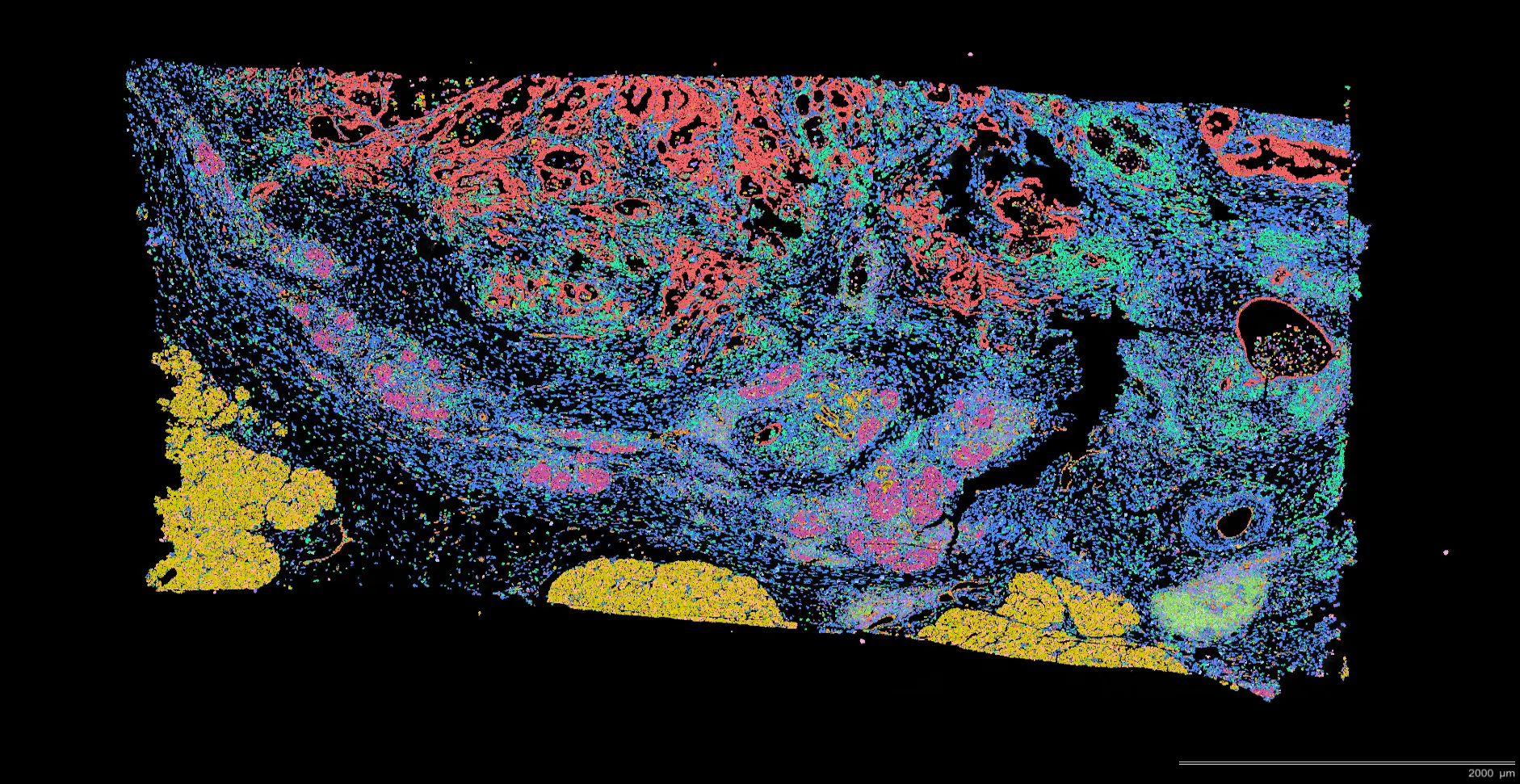
In glioblastoma, this is particularly relevant because different regions of the tumor can have distinct cellular compositions and biological states. Cure51's spatial transcriptomics pipeline uses Xenium Prime technology to analyze tumor biology at single-cell resolution while retaining spatial context. This makes it possible to study not only which cells and transcripts are present, but also how cells are organized and how they interact within different tumor regions.
“Spatial data is exceptionally rich because it gives us information about where biological signals occur within the tumor. By combining spatial data with other modalities, we can extract more information from the data and build a more complete picture of tumor biology.”
- Quentin Blampey, PhD, Bioinformatics, Deep Learning Researcher

For exceptional survivors, this creates an additional question: are there specific cellular neighborhoods or spatial patterns associated with long-term survival?
Such patterns could provide biological hypotheses that would be difficult to identify from bulk molecular data alone.
From signatures to therapeutic hypotheses
Finding a biological difference is only the beginning. The key challenge is determining whether that difference is biologically meaningful and potentially actionable. Cure51's computational approach integrates multiple evidence layers to move from observed differences toward survival-associated biological signatures and therapeutic hypotheses.
This can include:
Differential analysis: identifying genes, proteins or pathways that differ between exceptional survivors and control patients
Pathway analysis: determining whether biological processes are consistently enriched or disrupted
Survival correlations: connecting molecular features with clinical outcomes
Cross-modal integration: combining genomic, transcriptomic, proteomic, single-cell and spatial information to strengthen biological interpretation
Target prioritization: evaluating candidate targets according to their biological relevance, clinical association and potential therapeutic actionability
Rather than simply generating a longer list of molecular differences, the objective is to identify robust biological signals that can inform target prioritization and drug discovery.
Why our collaboration with Servier matters
The value of this approach increases when exceptional survivor biology can be evaluated within a pharmaceutical research environment. Our collaboration with Servier creates an opportunity to connect Cure51's exceptional survivor data and computational biology approach with pharmaceutical expertise in oncology research and drug development.
The goal is to investigate whether the biology associated with exceptional survival can reveal new insights into glioblastoma and support the identification and prioritization of potential therapeutic targets.
This represents an important transition: our collaboration with Servier matters for for the validating and development of our target identification methodology and advancing insights to molecules.
A different starting point for glioblastoma research
Exceptional survivors provide a different biological lens. Instead of asking only why glioblastoma progresses, researchers can also investigate why, in rare cases, the disease follows a remarkably different trajectory. Combining these clinical trajectories with deeply characterized molecular data may reveal biological patterns that conventional approaches can overlook.
For glioblastoma, where the need for new therapeutic strategies remains substantial, studying the exception may provide another way to identify what is worth pursuing. Rather than asking only what makes glioblastoma aggressive, researchers can also ask: what makes some patients biologically different, and what can we learn from it?
Updated: September 23, 2026