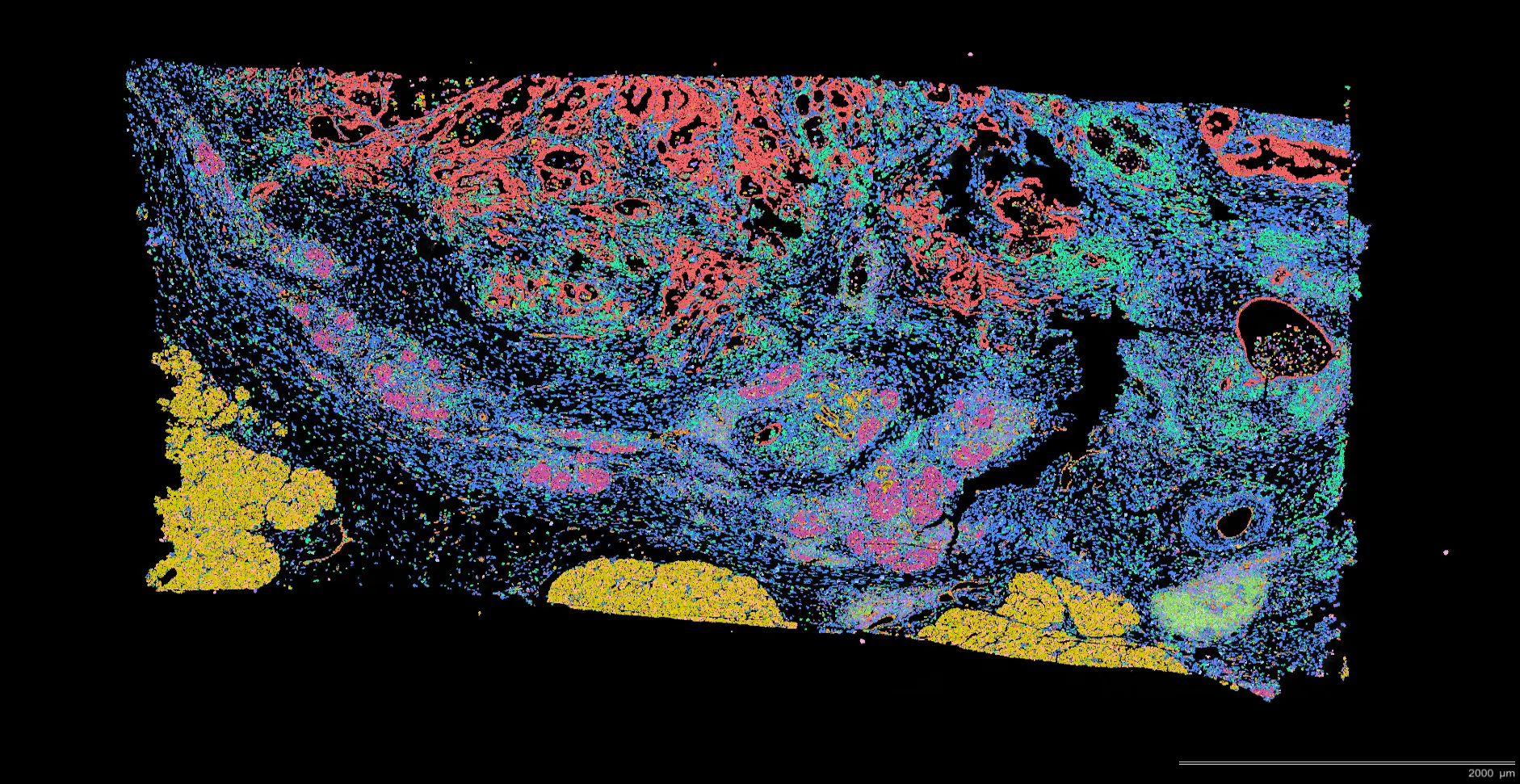
Cancer research has generated an enormous amount of genomic data. While identifying a genetic alteration is an important first step, the key question is whether it plays a functional role in cancer or creates a vulnerability that can be targeted.
From Genomic Observations to Functional Evidence
By allowing researchers to target and perturb specific genes, CRISPR-Cas9 makes it possible to move from observing genetic changes to functionally testing their role in cancer. CRISPR-Cas9 has helped researchers:
- Turn genomic observations into functional evidence: By perturbing specific genes, researchers can test whether they actually influence cancer biology
- Identify cancer vulnerabilities: Large-scale CRISPR-Cas9 screens can systematically test which genes cancer cells depend on, helping uncover potential therapeutic targets
- Validate potential therapeutic targets: functional testing can help determine whether a gene associated with cancer has the characteristics of a potential therapeutic target.
Why Functional Evidence Matters for Target Discovery
A gene associated with cancer is not necessarily a good therapeutic target. For cancer target discovery, that distinction matters. Functional evidence can help distinguish biological associations from genuine cancer dependencies and identify more actionable therapeutic opportunities.
CRISPR/Cas9 therefore provides a way to move from genomic observations toward functional evidence when evaluating potential cancer targets.
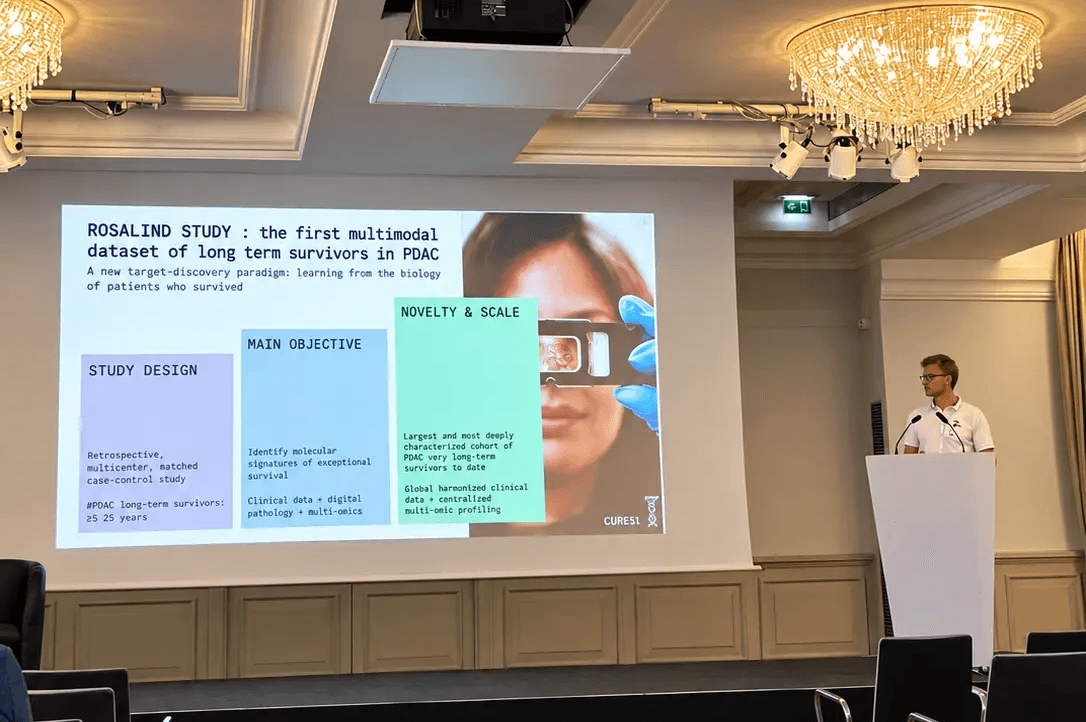
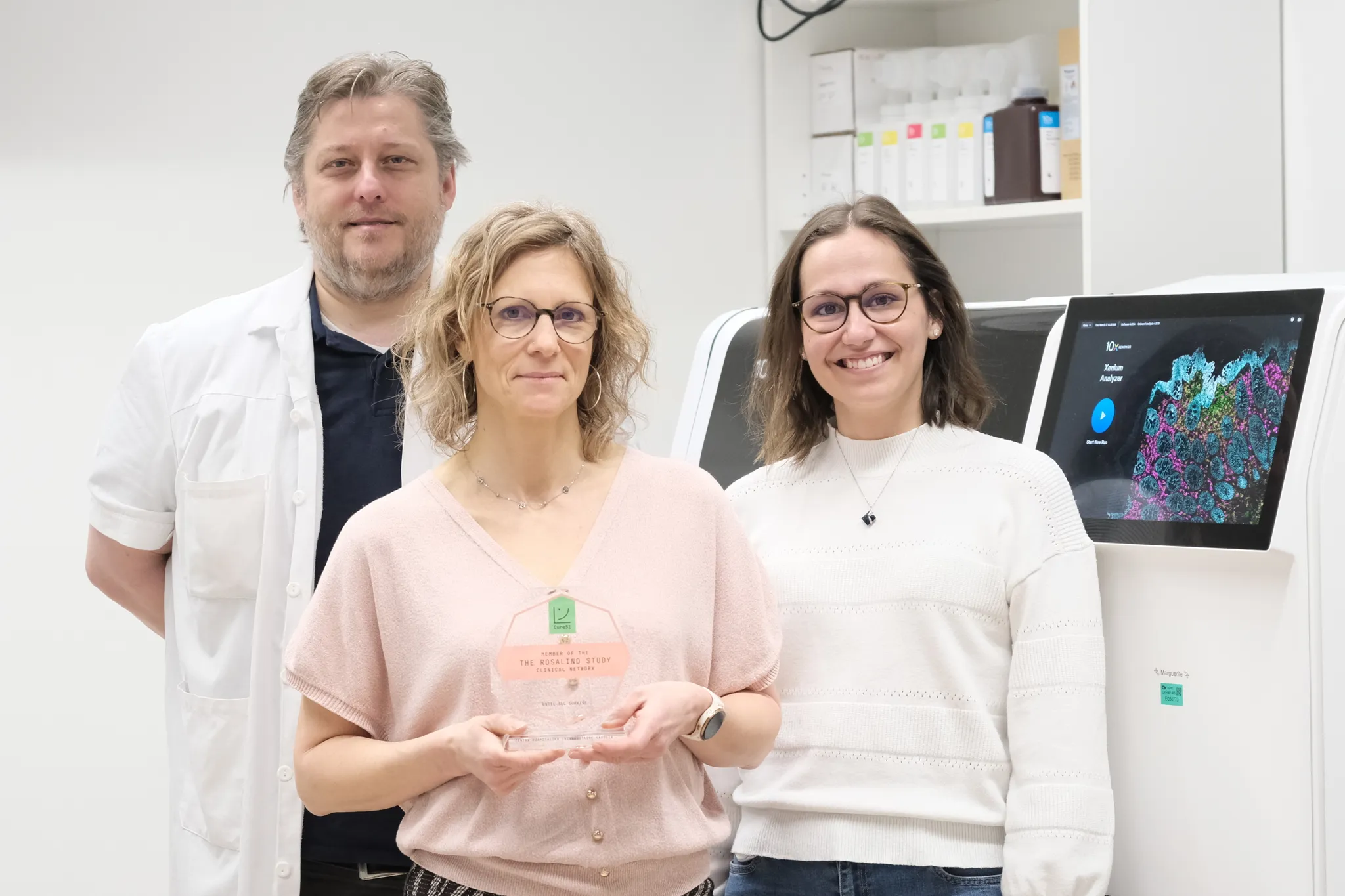
The Rosalind Study takes a complementary approach by studying exceptional cancer survivors to unlock the biological features associated with unusually long survival. By combining clinical and biological data from these patients, Cure51 aims to help identify insights that can support cancer target discovery.
Updated: September 8, 2026