What is glioblastoma?
Glioblastoma is one of the most aggressive types of brain cancer. It develops from cells of the brain and central nervous system and can grow rapidly, making it particularly difficult to treat.
But what exactly is glioblastoma? And what is the difference between glioblastoma and glioma? Understanding this distinction matters because glioma is a broad group of brain tumors, while glioblastoma is a specific type of tumor within this landscape. It also helps explain why research into glioblastoma requires highly focused approaches to tumor biology, treatment and drug discovery.
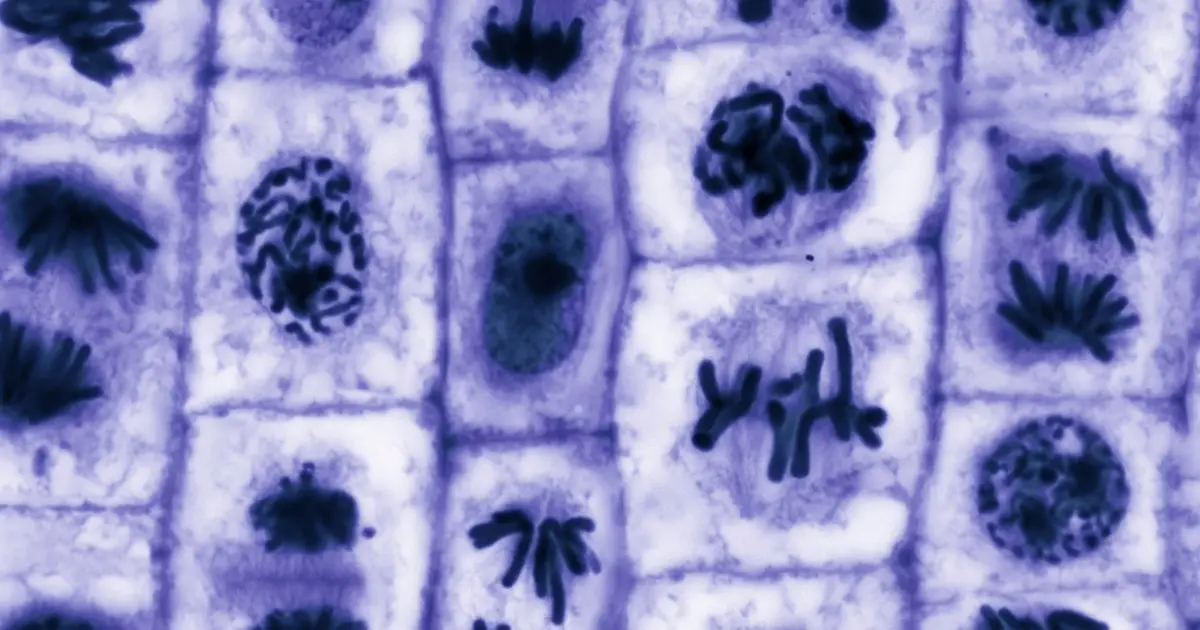
For Cure51, GBM is one of the three cancers studied through the Rosalind Study, alongside metastatic pancreatic cancer and extensive-stage small-cell lung cancer. The goal is to understand why a small number of patients survive these highly lethal cancers for many years and to translate their biology into potential therapeutic discoveries.
What is glioma?
Glioma is a broad term used for tumors that arise from glial cells, which support and protect neurons in the brain and central nervous system. Glioma is not one single type of cancer. It is an umbrella term covering several different tumor types.
Gliomas are a diverse group of tumors. They can differ significantly in their molecular characteristics, location, growth rate and clinical behavior. Modern brain tumor classification therefore relies increasingly on molecular features alongside what tumors look like under the microscope.
Some gliomas can grow relatively slowly, while others are highly aggressive.
Glioblastoma vs. glioma: what is the difference?
The simplest way to understand the difference is: glioma is a broad category. Glioblastoma is a specific type of glioma.
However, modern classification makes this distinction more precise. Under the current WHO classification of central nervous system tumors, GBM, IDH-wildtype is a defined tumor entity. Other adult-type diffuse gliomas include astrocytoma, IDH-mutant and oligodendroglioma, IDH-mutant and 1p/19q-codeleted.
In other words, describing a tumor simply as a "glioma" does not provide enough information to understand its biology or expected behavior.
Glioblastoma is characterized by particularly aggressive biology and rapid growth. It is classified as a grade 4 diffuse glioma in the current classification and represents one of the most challenging primary brain tumors to treat.
Glioma vs. glioblastoma: understanding the differences at a glance
Glioma | Glioblastoma | |
|---|---|---|
Definition | Broad group of tumors arising from glial cells | A specific aggressive glioma |
Tumor types | Includes several distinct molecular entities | A defined entity, IDH-wildtype in current adult classification |
Growth behavior | Can range from relatively slow-growing to highly aggressive | Highly aggressive |
Grade | Varies depending on tumor type and molecular characteristics | Grade 4 |
Treatment | Depends on the specific tumor type and molecular profile | Usually involves surgery, radiation and chemotherapy |
Research challenge | Highly diverse biology | Aggressive disease with major unmet therapeutic needs |
This distinction is important when discussing research and treatment. A scientific finding in one type of glioma may not automatically apply to glioblastoma because these tumors can have fundamentally different molecular characteristics.
Why is glioblastoma so difficult to treat?
Glioblastoma presents several challenges for cancer researchers and clinicians:
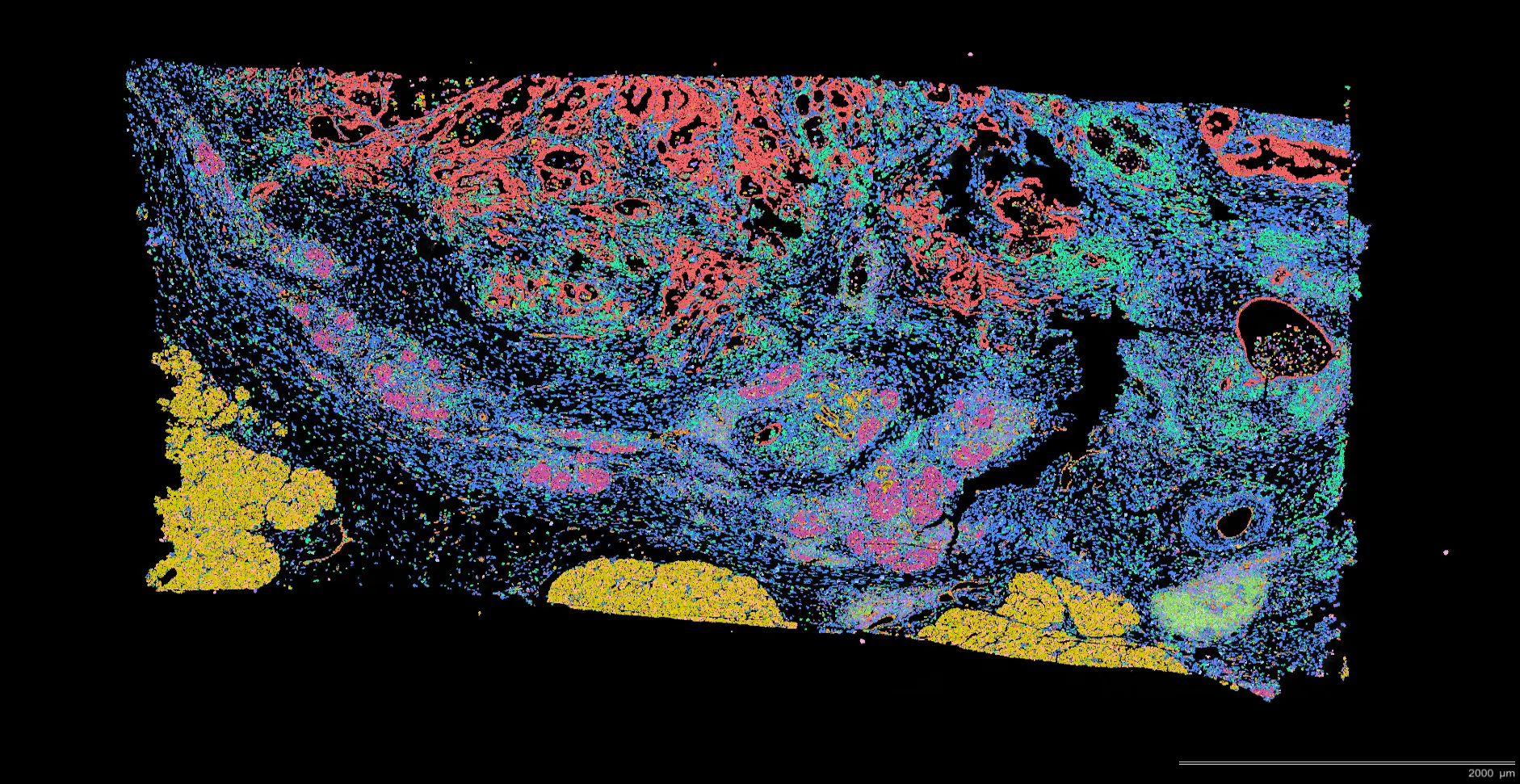
Glioblastoma is biologically complex. Tumors contain different populations of cells and can display substantial molecular and spatial heterogeneity. Understanding the tumor therefore requires more than looking at a single genetic alteration or biological pathway
The location of the tumor creates additional challenges. The brain is protected by the blood-brain barrier, which can make it difficult for some medicines to reach tumor cells at effective concentrations
Glioblastoma recurs even after treatment
Glioblastoma is frequently a necrotic tumor, which results in impaired diffusion of systemic therapies
Current standard treatment generally combines surgery with radiation therapy and chemotherapy, including temozolomide. Even with multimodal treatment, GBM remains a disease with a very high unmet medical need.
These challenges make the discovery of new therapeutic targets particularly important.
What is Servier doing in glioma research?
Servier has made oncology and rare cancers a major area of research and development, with a particular focus on targeted therapies and precision medicine.
In 2026, Servier completed the acquisition of Day One Biopharmaceuticals, strengthening its position in low-grade glioma through tovorafenib, a targeted therapy marketed in the United States for pediatric low-grade glioma. The acquisition also added a broader pipeline of therapies for rare cancers.
This is distinct from the Servier x Cure51 glioblastoma research collaboration, which focuses specifically on glioblastoma. The collaboration brings together Cure51's exceptional survivor biology and discovery platform with Servier's expertise in pharmaceutical research and drug development. Together, the work aims to identify and advance therapeutic targets in glioblastoma.
The distinction is important: Servier's broader oncology strategy includes glioma, while the Cure51 collaboration focuses specifically on discovering new therapeutic opportunities in glioblastoma.
Why is Cure51 focusing on glioblastoma?
Glioblastoma is one of the cancers where Cure51 sees a particularly important opportunity to learn from the rare patients who survive far beyond expectations: the Rosalind Study focuses on these exceptional cancer survivors, who survive highly lethal cancers for at least five years after diagnosis.
For glioblastoma, Cure51's cohort focuses on IDH-wildtype glioblastoma, following the 2021 WHO classification. The scientific question is different from simply asking why glioblastoma develops or progresses. Cure51 asks: what is different about the biology of the rare patients who survive? By studying these exceptional survivors, Cure51 combines clinical information with molecular data to search for biological signatures associated with long-term survival.
The Rosalind Study incorporates deep molecular characterization, including multi-omics, single-cell and spatial technologies. This allows researchers to examine cancer biology across multiple layers rather than relying on a single molecular measurement.
Cure51's recent work in spatial biology illustrates this approach. By analyzing glioblastoma at single-cell resolution while preserving spatial context, researchers can study which cells are present, how they are organized and how their interactions may relate to tumor behavior and survival.
Adrien Paix, MD, PhD, Medical Director at Cure51: “As a radiation oncologist, I have seen firsthand what a glioblastoma diagnosis means for patients and their families. The disease remains one of the most difficult cancers to treat, with limited options when it returns and little progress in the standard of care over the past two decades. Yet a small number of patients defy the statistics and survive five or even ten years after diagnosis. For too long, these patients have been seen as fortunate exceptions rather than a source of scientific insight. That is why Cure51’s approach matters to me: instead of only asking why glioblastoma kills, we ask what is different in those who survive. If their biology holds an answer, it could give us something we have lacked for twenty years: a real reason for hope.”

Dr. Adrien Paix, Medical Director at Cure51
From exceptional survivors to new therapeutic targets
Exceptional survivors’ biology may contain clues that could help identify mechanisms associated with unusually long survival. Unlocking their biology could open new avenues for glioblastoma drug discovery by identifying biological mechanisms associated with exceptional survival.
The Rosalind Study combines a global network of oncology centers, exceptional survivor clinical data and biological samples with computational analysis and multi-omics technologies. The objective is to identify robust biological signatures and potential therapeutic targets that can be investigated further through drug discovery.
For glioblastoma, this creates an opportunity to approach one of the most difficult cancers in oncology from a different direction: instead of studying only why the disease progresses, study what may help explain why a small number of patients survive.
That is the scientific rationale behind Cure51's focus on glioblastoma and the foundation for its collaboration with Servier to explore new therapeutic targets.
Why the distinction between glioma and glioblastoma matters
"Glioma" and "glioblastoma" are often used interchangeably in general discussions, but they describe different levels of classification:
Glioma refers to a broad family of tumors with diverse biological characteristics
Glioblastoma refers to a specific, highly aggressive tumor entity with its own molecular and clinical characteristics
For patients, researchers and drug developers, this distinction matters because understanding the precise biology of a tumor is essential for developing more targeted approaches to diagnosis, prognosis and treatment.
For Cure51, it also defines the research question: by focusing on exceptional survivors of glioblastoma, the Rosalind Study aims to uncover biological mechanisms that could point toward new therapeutic targets. By studying why some patients survive glioblastoma for years, Cure51 aims to turn exceptional survival into a source of biological insight and potential therapeutic targets.
Sources
NCI (National Cancer Institute)
https://www.cancer.gov/types/brain/patient/adult-brain-treatment-pdq
https://www.cancer.gov/types/brain/hp/adult-brain-treatment-pdq
https://www.cancer.gov/news-events/cancer-currents-blog/2018/immunotherapy-glioblastomaServier
https://servier.com/en/patients/cancer/
https://servier.com/en/newsroom/servier-completes-the-acquisition-of-day-one-biopharmaceuticals/WHO - Would Health Organization
https://whobluebooks.iarc.who.int/structures/central-nervous-system-tumours/
Updated: September 23, 2026